Keep reading.
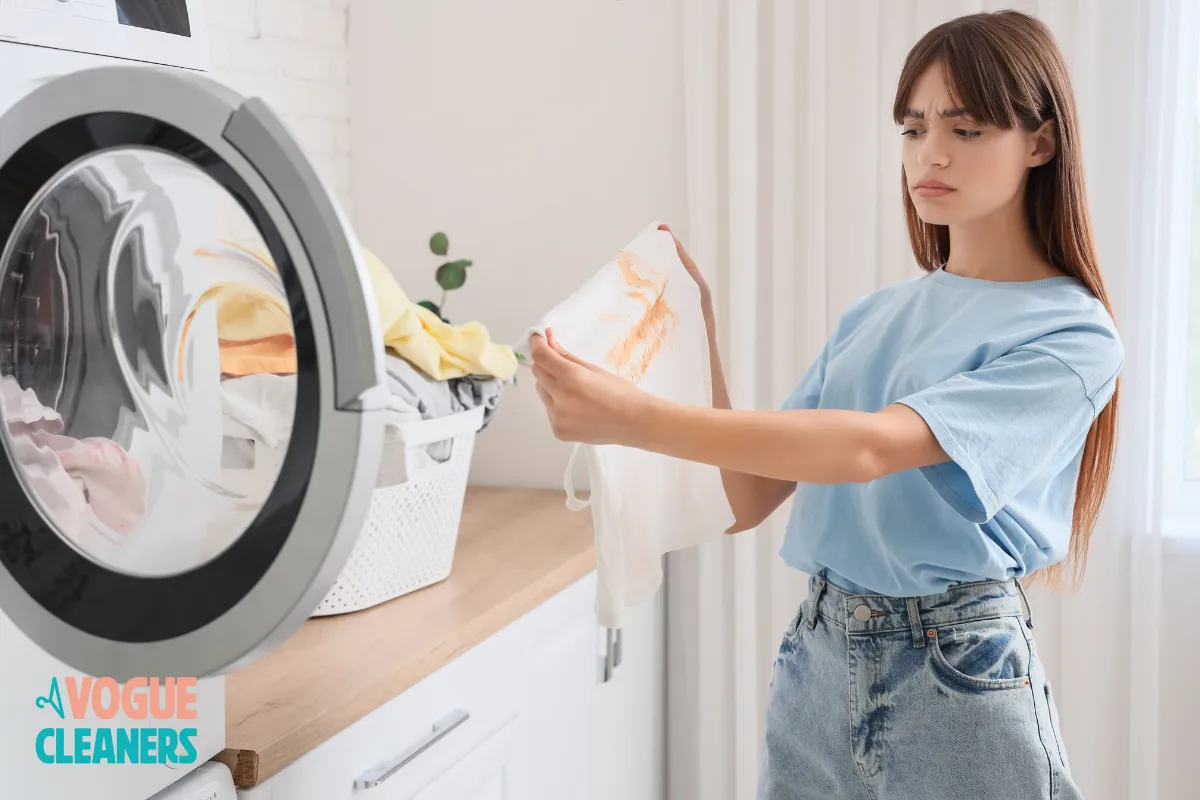
Stains You Shouldn’t Treat at Home (Why You Need Professional Stain Removal)
Tackling a tough stain at home often feels like a cleaning superpower, but sometimes that DIY effort can actually make things worse. If you’re a busy professional or a parent who deals with spills all the time, you know the frustration when a favorite garment comes out of the washer with a set-in mark. The truth is, certain types of stains—especially on delicate fabrics—need a professional stain removal technique that your home laundry can’t match. Trying to scrub it out yourself or using the wrong product is the biggest mistake you can make. It can spread the stain, damage the fibers, or set the color permanently, turning a simple fix into a total loss. We’re here to help you stop gambling with your wardrobe! Let’s talk about the specific stains you should bring straight to Vogue Cleaners, and how our expert care saves your clothes. Why Do-It-Yourself Cleaning Backfires? When you spill something, your first instinct is to rub and use hot water. Unfortunately, these two moves are what most often ruins clothes before they even reach a professional cleaner. You Rub, Not Blot: Scrubbing a stain pushes the material deeper into the fabric’s fibers, making it much harder to […]
Read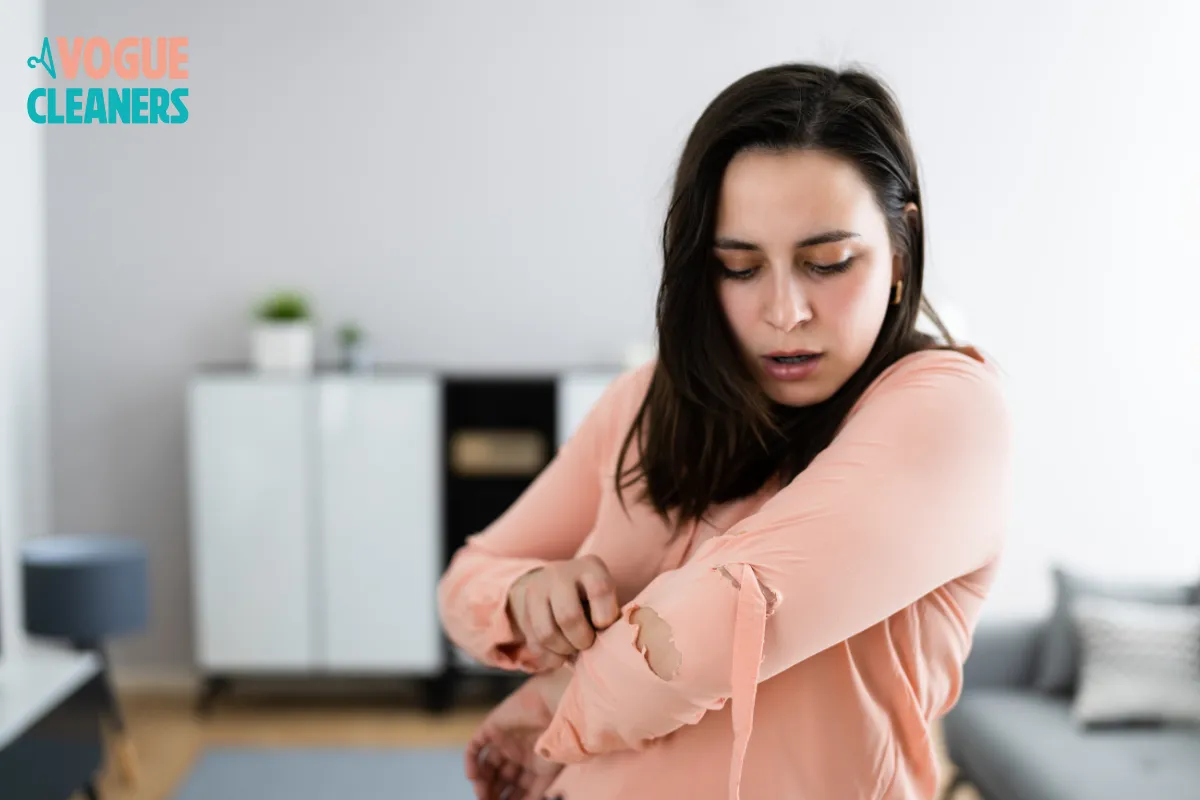
4 Common Fabric Damages (and How Experts Repair Them)
Even well-maintained clothes face fabric damages like holes, tears, fading, and stubborn stains. Professional repair restores garments to like-new condition, saving money and extending wardrobe life.
Read
Garment Preservation: How to Protect Your Most Treasured Pieces
Clothes carry the stories of our lives—wedding dresses hold memories of vows, military uniforms represent service, and heirloom gowns connect generations. Professional garment preservation protects these irreplaceable pieces from yellowing, stains, and fabric breakdown.
Read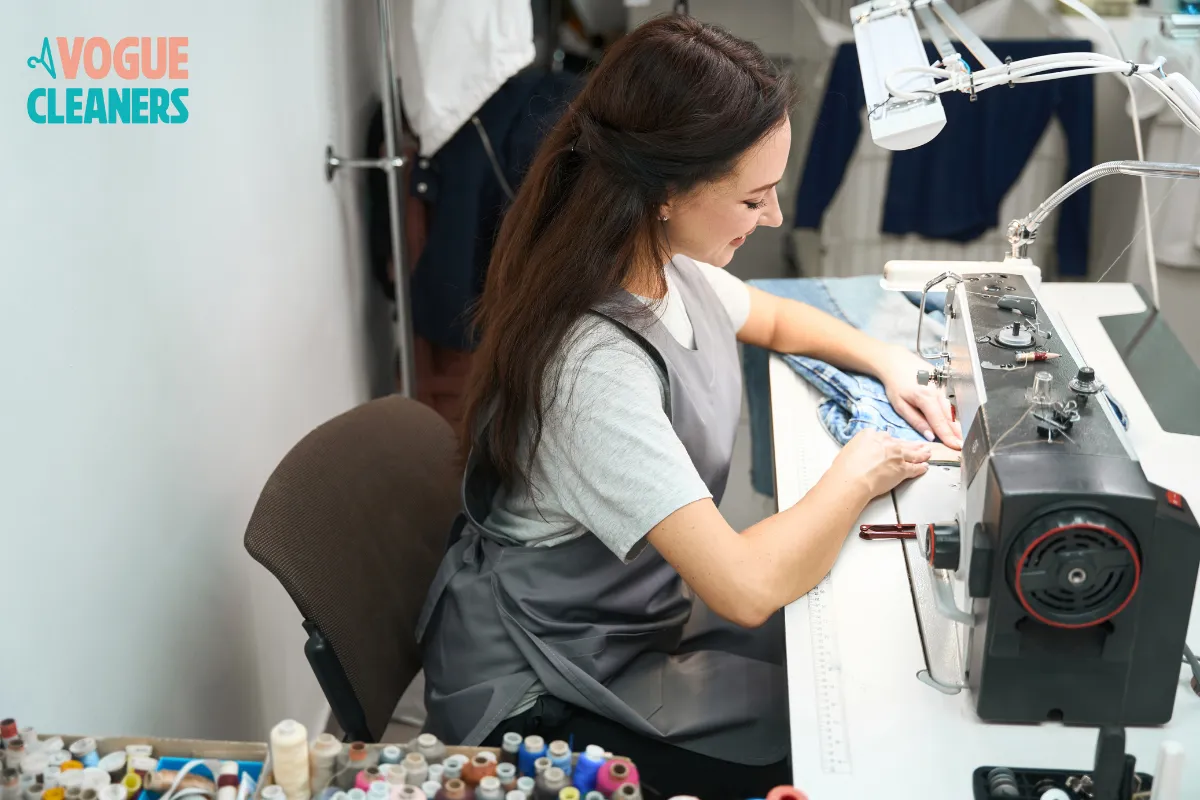
Tailoring Basics: Alterations That Make Your Clothes Look and Feel Better
Clothes off the rack don’t always fit right, but small changes can make a big difference. Hem pants, adjust sleeves, or fix waistlines to make clothes fit better and feel comfortable. Pair with professional cleaning, and your wardrobe stays fresh and neat. Vogue Cleaners can help with tailoring and maintaining your clothes to keep them looking their best.
Read
Confidence Starts with Expert Garment Care
The way you look directly impacts how you feel. When clothes fit well and look sharp, you carry yourself with more confidence. Expert garment care goes beyond cleaning—it protects fabrics, maintains fit, and ensures attention to detail that makes you feel polished. Professional cleaning prevents shrinking, fading, and lost structure that home washing causes.
Read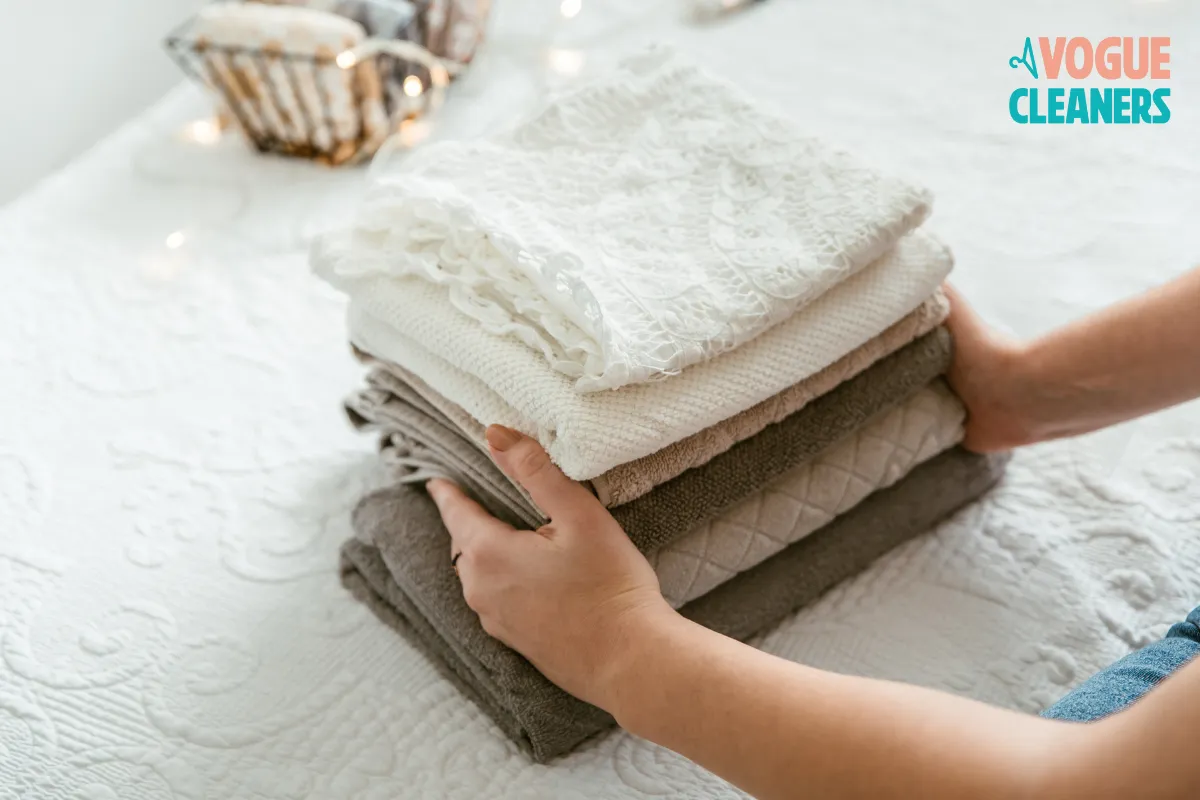
How Senior Living Facilities Benefit from Weekly Laundry Service
Senior living facilities face unique laundry challenges, from managing high volumes to ensuring proper sanitation. Professional laundry services offer a practical solution by handling resident clothing, linens, and towels with hospital-grade cleaning methods. Weekly pickup and delivery schedules free staff to focus on direct resident care while maintaining hygiene standards. Services include scheduled pickups, hypoallergenic options, clothing labels, and custom handling for delicate items.
Read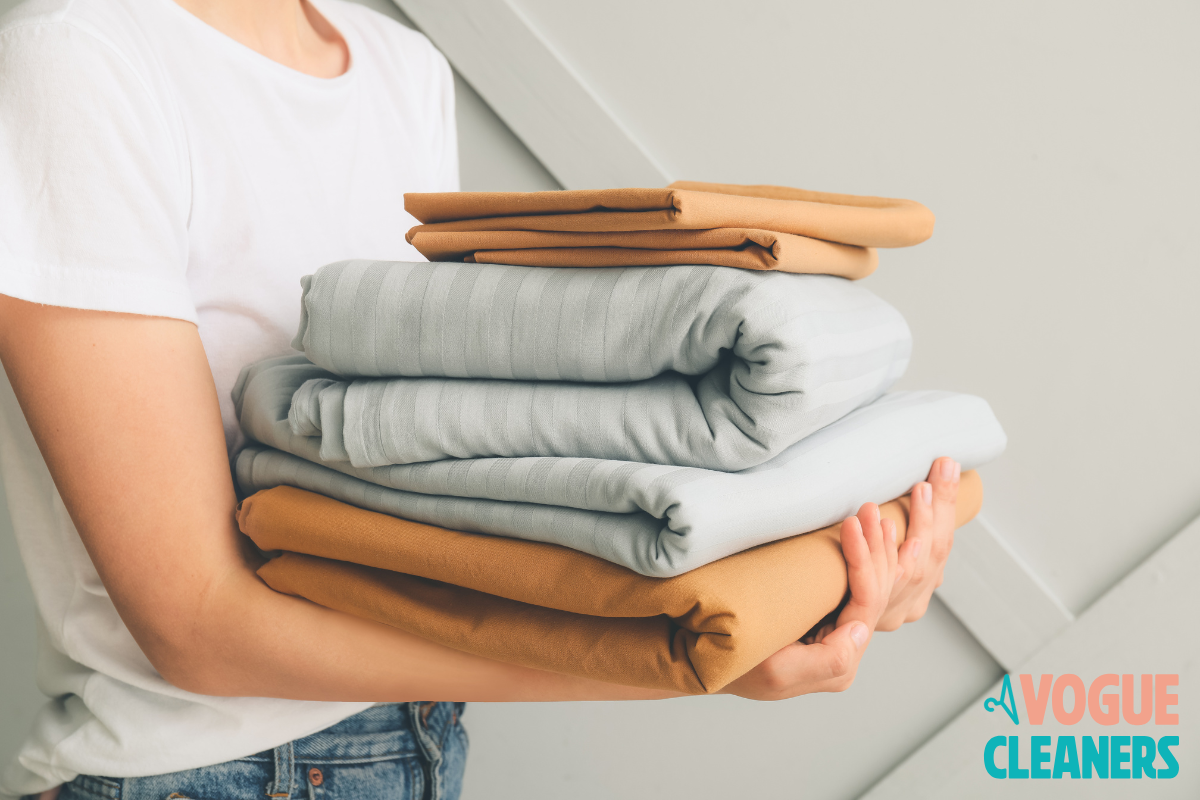
How Often to Clean Comforters and Guest Bedding
Sheets and pillowcases usually make it into the laundry basket every week, but comforters and duvets? They often get overlooked. These cozy layers see plenty of use, but because they don’t directly touch your skin, they can easily be forgotten on laundry day. The truth is, comforters hold onto dust, sweat, oils, and even allergens more than you might expect. So, how often should you clean comforters—and is professional cleaning worth it? Let’s walk through timelines, signs to watch for, and tips to keep bedding fresh. When to Clean Comforters, Duvets, and Other Bedding There’s no universal schedule that fits every home, but some general timelines can help you keep bedding feeling crisp, clean, and welcoming: Sheets and pillowcases: Every week. Since they come into contact with your skin and hair daily, they quickly collect sweat, body oils, and bacteria. Comforters and duvets (everyday use): Every 3 months is a solid rule of thumb. If you share your bed with pets, deal with allergies, or often overheat at night, aim for every 1–2 months. Guest bedding (Airbnb, short-term rentals, or guest rooms): After every stay. Guests expect a fresh bed, and clean bedding plays a huge role in comfort—and in […]
Read
When You Look Good, You Feel Good: Professional Garment Care Tips
Clothes are part of how we present ourselves to the world. A crisp shirt at work, a polished suit at an event, or a perfectly pressed dress can make the difference between feeling average and feeling confident. As Enoch often says, “When you look good, you feel good.” Professional garment care is about more than convenience. It’s about ensuring your wardrobe helps you feel put-together and ready for anything, whether that’s a big meeting, a wedding, or simply walking out the door each morning. In this blog, we’ll share expert professional garment care tips to help you protect your clothes, extend their lifespan, and step out with confidence every day. Why Professional Garment Care Matters When Enoch says, “When you look good, you feel good,” he means this: your clothes can shape how you carry yourself. If your shirt is crisp or your dress looks fresh, you walk into the room with more confidence. Professional garment care is not just about stain removal. It helps clothes last longer, keeps the fabric in shape, and makes sure they fit and drape the way they should. When you invest in caring for your clothes, you invest in how you feel wearing them. […]
Read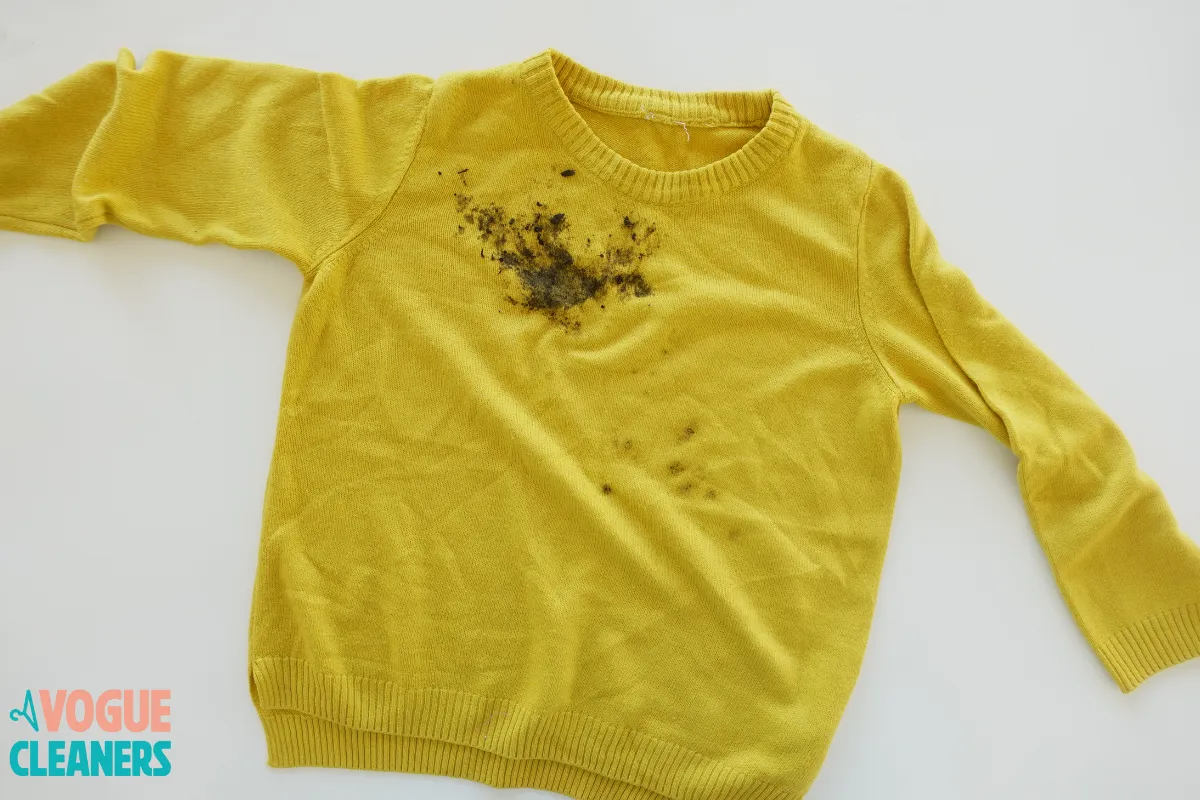
Fixing Summer Stains (Grass, Sunscreen, Sweat): Professional Tips to Treat Them Safely
Summer is the season of sunshine, outdoor fun, and unfortunately… stains. From grass marks on weekend jeans to yellow patches on your favorite white shirt, warm-weather stains tend to be tougher, deeper, and more common. For busy professionals and local residents, figuring out how to remove summer stains without damaging the fabric is a challenge. This guide shares tips for fixing summer stains like grass, sunscreen, and sweat. You’ll also learn professional laundry tips, when it’s safe to treat them at home, and when it’s smarter to hand them off to a professional for dry cleaning or spot treatment. Why Summer Stains Are Tougher Than You Think Warm weather doesn’t just bring sweat and spills. It changes how stains interact with fabric. Higher temperatures open up fibers in clothing, making it easier for oils, dyes, and proteins to settle in. Sunlight can also set stains faster, especially on light-colored or delicate fabrics. Let’s take a closer look: Grass stains contain chlorophyll and other organic compounds that bind to natural fibers like cotton and linen. Sunscreen stains often leave yellow marks due to avobenzone reacting with minerals in water (especially hard water). Sweat stains are a mix of salt, oil, and […]
Read