Tackling a tough stain at home often feels like a cleaning superpower, but sometimes that DIY effort can actually make things worse. If you’re a busy professional or a parent who deals with spills all the time, you know the frustration when a favorite garment comes out of the washer with a set-in mark.
The truth is, certain types of stains—especially on delicate fabrics—need a professional stain removal technique that your home laundry can’t match. Trying to scrub it out yourself or using the wrong product is the biggest mistake you can make. It can spread the stain, damage the fibers, or set the color permanently, turning a simple fix into a total loss.
We’re here to help you stop gambling with your wardrobe! Let’s talk about the specific stains you should bring straight to Vogue Cleaners, and how our expert care saves your clothes.
Why Do-It-Yourself Cleaning Backfires?
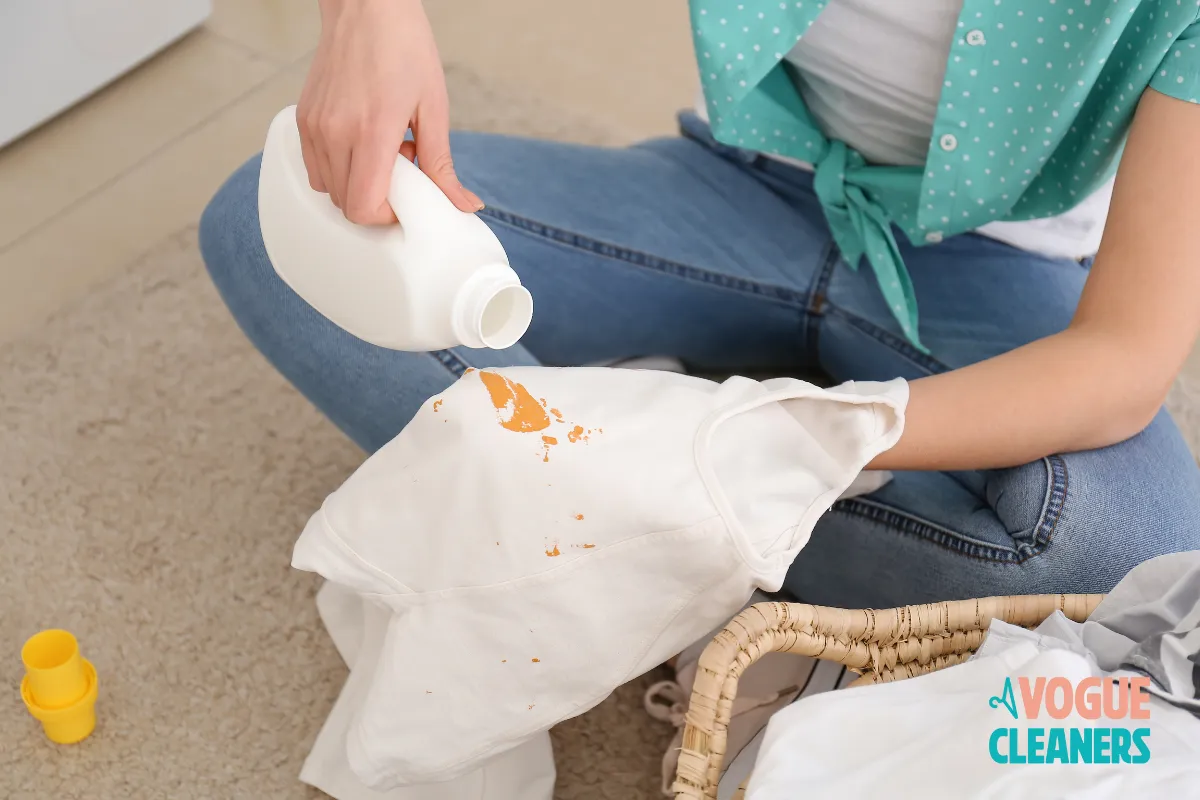
When you spill something, your first instinct is to rub and use hot water. Unfortunately, these two moves are what most often ruins clothes before they even reach a professional cleaner.
- You Rub, Not Blot: Scrubbing a stain pushes the material deeper into the fabric’s fibers, making it much harder to lift out. Our pros use blotting and specialized tools to gently lift the stain from the material.
- You Use Hot Water: Hot water can cook protein-based stains (like blood or egg) and permanently bond them to the fabric. It can also remove the dye from clothes.
- You Set the Stain with Heat: If a stain doesn’t come out after washing, most people toss it into the dryer. The heat from the dryer is the final step in making a stain permanent, as it sets the mark into the fibers.
Stains You Shouldn’t Try to Treat at Home
If you have one of these stubborn stains on an important or delicate item, skip the home remedies. You’ll save your clothes from irreversible damage and avoid wasting time!
Oil and Grease Stains
Can dry cleaning remove oil and grease stains from my clothes? Yes, dry cleaning is uniquely effective against oil and grease.
Oil-based stains come from things like cooking grease, salad dressing, makeup, or hand lotion. Since oil and water don’t mix, your washing machine’s water-based detergent won’t cut through them. You might feel like the stain is gone, but it often reappears as a dark patch after the garment dries.
Professional dry cleaners use non-water-based solvents that are specially made to dissolve and lift these greasy culprits from the fibers.
Ink and Dye Stains
Ink, permanent marker, and even fabric dyes are tough because they are made with strong pigments. These dye stains bond tightly to the fabric, and a home wash can easily make the mark spread out, or “bleed”.
The pros at Vogue Cleaners will isolate the ink or dye stain and use specific solvents to break down the pigment without damaging the original color of the item. For light fabrics, they might use safe oxidizing agents, like a form of hydrogen peroxide, to gently bleach the stain out.
Protein-Based Stains
Protein stains include things like blood, milk, egg, and body fluids like sweat. They need a controlled approach because heat will cook the protein and set the stain forever.
Dry cleaners use specialized enzyme-based spot cleaner solutions that are designed to digest and break down the protein molecules gently. They work fast before the stain can oxidize and set into the fabric.
Red Wine and Coffee Spills
Will a wine stain come out with dry cleaning? Yes, fresh wine stains often come out successfully with professional treatment.
Red wine, coffee, tea, and juice are known as tannin stains. The longer these plant-based stains sit, the more they oxidize and become harder to remove. Our team uses acidic solutions that target and break down the tannin compounds without weakening the surrounding fabric.
How We Prevent Damage While Removing Stains
Dry cleaning isn’t a one-size-fits-all solution; it’s a specific, gentle process designed to save clothes that can’t handle your home washer. Professional cleaners know when to use wet cleaning for body oils and when to use dry cleaning for grease, choosing the best tool for the job.
- Targeted Solvents: Dry cleaning uses special solvents that dissolve stains that water can’t, like grease and tar.
- Fabric Expertise: We know which fabrics need extra care. For example, silk, wool, and suede are highly sensitive. The dry cleaning method avoids the harsh friction and agitation of a machine, which often leads to stretching or damage.
- The Right Tools: Professionals use methods like tamping or sponging to press or dab the solvent into the stain gently, lifting it out without rubbing or damaging the fabric.
Remember this crucial fact: Seventy percent of laundry soil is invisible, which means deep-set stains aren’t the only dirt on your clothes. Dry cleaning lifts this deep-set, invisible grime that a regular wash can miss. When you consider that the average American family washes about 300 loads of laundry per year, the need for professional, deep cleaning for those special items really adds up.
Final Thoughts: Protect Your Investment
If a stain doesn’t come out after one wash, or if it’s on a delicate item like a silk blouse or a cashmere sweater, don’t keep scrubbing. Don’t let the stain sit—especially not in a wet plastic bag—because mildew can form and is nearly impossible to remove.
The best plan? Tell your cleaner what caused the stain (grease, wine, ink) and let them handle the professional stain removal. They have the solvents and expertise to save your clothes without ruining the fabric, extending the life of your favorite pieces.
Schedule a pickup or sign up for Vogue Valet today and enjoy expertly cared-for clothes without the hassle.