Keep reading.

Confidence Starts with Expert Garment Care
The way you look directly impacts how you feel. When clothes fit well and look sharp, you carry yourself with more confidence. Expert garment care goes beyond cleaning—it protects fabrics, maintains fit, and ensures attention to detail that makes you feel polished. Professional cleaning prevents shrinking, fading, and lost structure that home washing causes.
Read
How Senior Living Facilities Benefit from Weekly Laundry Service
Senior living facilities face unique laundry challenges, from managing high volumes to ensuring proper sanitation. Professional laundry services offer a practical solution by handling resident clothing, linens, and towels with hospital-grade cleaning methods. Weekly pickup and delivery schedules free staff to focus on direct resident care while maintaining hygiene standards. Services include scheduled pickups, hypoallergenic options, clothing labels, and custom handling for delicate items.
Read
How Often to Clean Comforters and Guest Bedding
Sheets and pillowcases usually make it into the laundry basket every week, but comforters and duvets? They often get overlooked. These cozy layers see plenty of use, but because they don’t directly touch your skin, they can easily be forgotten on laundry day. The truth is, comforters hold onto dust, sweat, oils, and even allergens more than you might expect. So, how often should you clean comforters—and is professional cleaning worth it? Let’s walk through timelines, signs to watch for, and tips to keep bedding fresh. When to Clean Comforters, Duvets, and Other Bedding There’s no universal schedule that fits every home, but some general timelines can help you keep bedding feeling crisp, clean, and welcoming: Sheets and pillowcases: Every week. Since they come into contact with your skin and hair daily, they quickly collect sweat, body oils, and bacteria. Comforters and duvets (everyday use): Every 3 months is a solid rule of thumb. If you share your bed with pets, deal with allergies, or often overheat at night, aim for every 1–2 months. Guest bedding (Airbnb, short-term rentals, or guest rooms): After every stay. Guests expect a fresh bed, and clean bedding plays a huge role in comfort—and in […]
Read
When You Look Good, You Feel Good: Professional Garment Care Tips
Clothes are part of how we present ourselves to the world. A crisp shirt at work, a polished suit at an event, or a perfectly pressed dress can make the difference between feeling average and feeling confident. As Enoch often says, “When you look good, you feel good.” Professional garment care is about more than convenience. It’s about ensuring your wardrobe helps you feel put-together and ready for anything, whether that’s a big meeting, a wedding, or simply walking out the door each morning. In this blog, we’ll share expert professional garment care tips to help you protect your clothes, extend their lifespan, and step out with confidence every day. Why Professional Garment Care Matters When Enoch says, “When you look good, you feel good,” he means this: your clothes can shape how you carry yourself. If your shirt is crisp or your dress looks fresh, you walk into the room with more confidence. Professional garment care is not just about stain removal. It helps clothes last longer, keeps the fabric in shape, and makes sure they fit and drape the way they should. When you invest in caring for your clothes, you invest in how you feel wearing them. […]
Read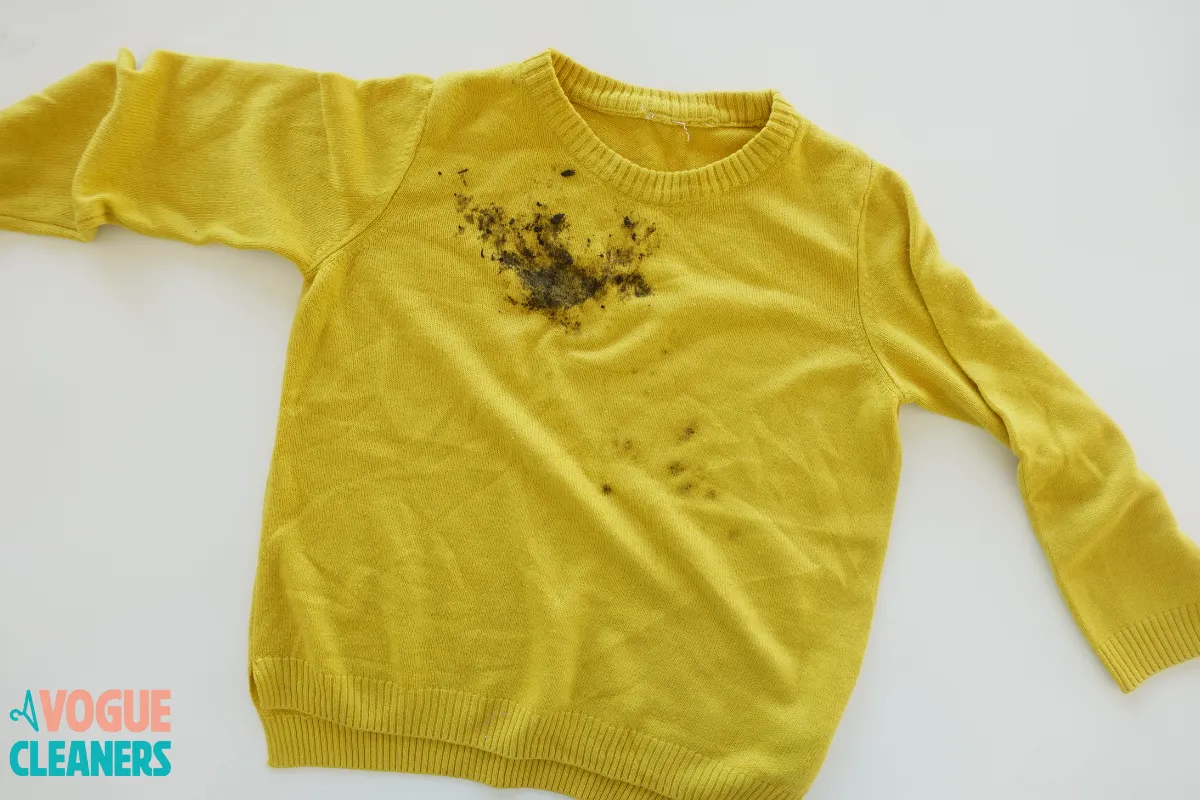
Fixing Summer Stains (Grass, Sunscreen, Sweat): Professional Tips to Treat Them Safely
Summer is the season of sunshine, outdoor fun, and unfortunately… stains. From grass marks on weekend jeans to yellow patches on your favorite white shirt, warm-weather stains tend to be tougher, deeper, and more common. For busy professionals and local residents, figuring out how to remove summer stains without damaging the fabric is a challenge. This guide shares tips for fixing summer stains like grass, sunscreen, and sweat. You’ll also learn professional laundry tips, when it’s safe to treat them at home, and when it’s smarter to hand them off to a professional for dry cleaning or spot treatment. Why Summer Stains Are Tougher Than You Think Warm weather doesn’t just bring sweat and spills. It changes how stains interact with fabric. Higher temperatures open up fibers in clothing, making it easier for oils, dyes, and proteins to settle in. Sunlight can also set stains faster, especially on light-colored or delicate fabrics. Let’s take a closer look: Grass stains contain chlorophyll and other organic compounds that bind to natural fibers like cotton and linen. Sunscreen stains often leave yellow marks due to avobenzone reacting with minerals in water (especially hard water). Sweat stains are a mix of salt, oil, and […]
Read
How to Keep School Uniforms Clean Without Constant Washing
How often to wash school uniforms, 5 ways to keep them clean between washes, and when a school should hand uniform laundry to a Sacramento commercial laundry.
Read
What Does "Spot Clean Only" Mean? Spot Cleaning vs. Full Wash
What "spot clean only" means, when a spot treatment is enough, which stains need a full wash or dry cleaning, and how to avoid damaging delicate fabric.
Read
Is Dry Cleaning Bad for the Environment? Not Always
When most people think of dry cleaning, they worry about the impact it has on the environment. For years, traditional methods relied on harsh chemicals that were tough on both the planet and human health. This has led many to ask: is dry cleaning bad for the environment? The short answer is not always. While old methods did cause harm, modern dry cleaners now offer safer, eco-friendly options. These alternatives use non-toxic solvents and biodegradable detergents that protect both your clothes and the environment. In this blog, we’ll break down the common chemicals used in dry cleaning, explain why PERC is harmful, and show you how eco-friendly dry cleaning makes a real difference. What is PERC and Why is it Bad for the Environment? Traditional dry cleaning has long depended on a chemical called perchloroethylene (commonly called PERC). It’s a powerful solvent that removes stains well, but it also comes with environmental and health risks. PERC can contaminate air, soil, and water when not handled properly, and long-term exposure is linked to respiratory issues and other health concerns. What Other Chemicals Do Dry Cleaners Use? On top of that, the laundry process itself uses a lot of resources. The average […]
Read
How Medical Laundry Services Help You Stay Compliant With Hygiene Protocols
When you think about hygiene in medical settings, things like handwashing and disinfecting equipment probably come to mind first. But there’s another critical part of staying compliant that often gets overlooked: laundry. From patient gowns to staff uniforms, every piece of fabric in a medical office carries the responsibility of being safe, clean, and professionally maintained. Unlike doing laundry in-house, medical laundry services are built to meet strict standards for businesses that can’t afford mistakes, especially medical facilities. They help offices avoid costly compliance issues while ensuring staff and patients always have fresh, sanitized linens. Let’s discuss what corporate laundry services are, why so many businesses use them, and how they specifically help medical offices stay compliant with hygiene protocols. What Is a Medical Laundry Service? A medical laundry service is a professional cleaning solution designed specifically for healthcare providers. Instead of handling laundry in-house, clinics, dental offices, and other medical facilities can outsource everything from pickup to delivery, ensuring gowns, lab coats, scrubs, and linens are cleaned to strict healthcare standards. Unlike residential laundry, medical laundry must follow hygiene protocols that reduce risks of contamination and infection. Towels, gowns, and bedding need specialized washing methods, higher water temperatures, and […]
Read